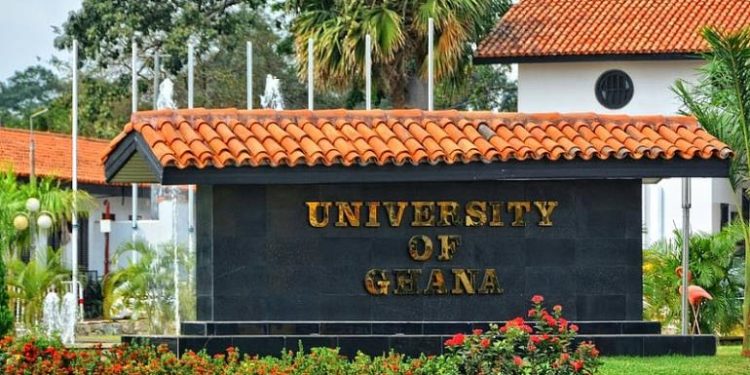

The Ghana Tertiary Education Commission (GTEC) has requested that the administration of the University of Ghana immediately reverse any recent price hikes and/or charges for the academic year 2025/2026. It stated unequivocally that publicly funded universities are prohibited by GTEC from reviewing student fees without following the appropriate procedures, such as obtaining parliamentary consent as required by law.
As a result, GTEC also requested that the institution give credit to all returning students in the upcoming academic year for any overpayments made in comparison to the fees from the previous academic year.
They also intimated that the university is required to reimburse final-year students who have paid more than the charges for the previous academic year, restore all obligations—including those for the SRC and GRASSAG—to the rates from the previous academic year, and, with the exception of those that were previously in place, halt any new fees, such as the Development Levy and the 75th Anniversary dues (if newly introduced).
Following last week’s news that the University of Ghana has raised its fees, this was included in a letter sent to the Vice Chancellor of the university on January 5, 2026.
After the announcement and uproar last week of an increase of more than 25% in academic fees across all colleges for the 2025/2026 academic year, the university administration clarified that the rise was primarily caused by third-party charges imposed by student leadership, not by the university authorities.
In a letter dated January 5, 2026, which Graphic Online has copies of and addressed to the Minister of Education, his deputy, the Chairman of the Parliamentary Select Committee on Education, the Chairman of the Vice Chancellors of Ghana, and the Director of Internal Audit at the University of Ghana, GTEC referenced an earlier letter dated November 3, 2025, in which it stated that it had observed that, over the years, public tertiary education institutions had reviewed student tuition without following proper procedures, resulting in implementation challenges.
GTEC stated that, in accordance with its duty to support the efficient and effective operation of higher education institutions, it was reminding all universities that, as required by legislation, no new fees for the 2025/2026 academic year may be imposed without prior parliamentary consent in order to comply with the regulatory requirements of the Fees and Charges Act.
As a result, it urged the vice chancellor to continue charging existing student fees and to delay introducing the new charges until the 2025/2026 academic year, pending parliamentary approval.
GTEC informed the Vice Chancellor of UG in a letter dated January 5, 2026, that it had been informed that the University of Ghana had raised tuition by 25% and, in some cases, imposed new fees without first obtaining the required permission from the appropriate authorities, as stipulated by law.
The Ghana Tertiary Education Commission requested the University of Ghana to do the following via their letter:
Immediately reverse any fee or membership fee hikes.
Give credit for the next academic year to all returning students who have paid more in fees than in the previous academic year.
The amount of excess fees that final-year students have paid over the charges for the previous academic year should be reimbursed.
Reinstate all dues, including those for GRASAG and SRC, to the prices from the previous academic year.
With the exception of fees that were previously in place, such as the 75th Anniversary dues and Development Levy (if newly implemented), all new fees should be suspended. The fees should be set at the rate of the previous academic year.
Finally, GTEC requested a submission of compliance from the University of Ghana to GTEC by January 12, 2026. It warned that if the University of Ghana fails to comply, it would impose SEVERE REGULATORY PENALTIES.